
Psalm 55:16-17 (The Message)
I call to God; God will help me. At dusk, dawn, and noon I sigh deep sighs — he hears, he rescues.
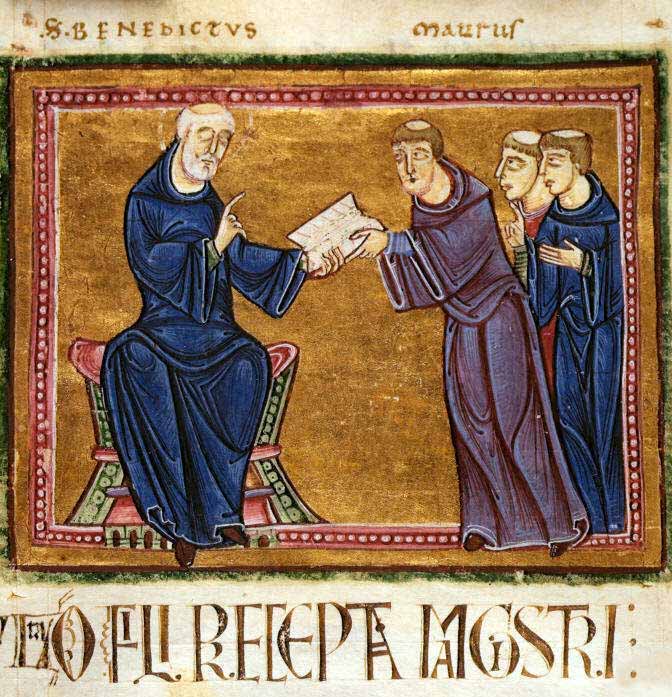
Benedict of Nursia founded communities of monks in the 6th century. He wrote the Rule, a description of practices for living in a healthy community. In this short book, he outlined the importance of humility, obedience, balance of work and rest, worship as a lifestyle, and prayer.
Prayer was a central part of that monastic life. There were seven times during the day when the community would gather for prayer: Vespers (sunset), Compline (at bedtime), Matins (beginning before dawn), Prime (about 7am), Terce (about 9am), Sext (noon), and None (about 3pm).
But Benedict wasn’t the first person to recognize the value of purposefully setting aside time for conversation with God.
In today’s verses, we’re told David prayed three times daily. Each night as the sun set, David would spend time praying. As the sun rose the next morning — before David began his day — he would stop and pray. And in the middle of it all, at noon, he would again step away from the business of life and spend time talking with God. I’m sure he actually prayed many more times than this, but these were pre-arranged, non-negotiable appointments on his schedule.
It is so easy in our busy, busy lives to neglect our quiet time with God. How often do we rush through our days, without stopping for any significant length of time to pray? We make appointments with everyone else, but if we looked at our calendar, would we see a time blocked out for talking with God? All too often, the answer is no. And that is so ironic! If there is any relationship in our lives that is worth investing deeply in, it would have to be with the One who lovingly created us.
Question:
How could having a regular, set time of prayer be helpful for you?


 “You know, when I was nineteen, Grandpa took me on a roller coaster. Up, down, up, down. Oh, what a ride! I always wanted to go again. You know, it was just so interesting to me that a ride could make me so frightened, so scared, so sick, so excited, and so thrilled all together! Some didn’t like it. They went on the merry-go-round. That just goes around. Nothing. I like the roller coaster. You get more out of it.”*
 Dictionary.com defines desperation as “reckless or dangerous because of despair or urgency.” That certainly describes Saul’s mental state. He’s so panicked that he makes the terrible decision to do what he knows full well he ought not to do.
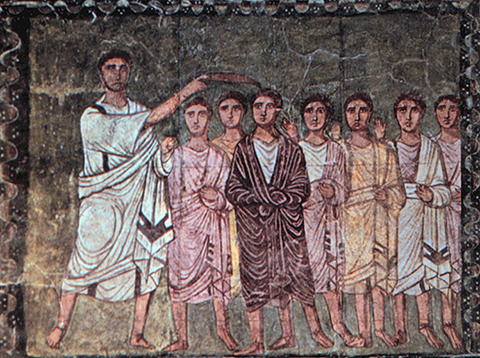
 1 Samuel 10:20-25 (New Living Translation)
 Love God | Understand Yourself | Serve Others