
We know how a king arrives…
A king emerges from his private jet,
polished and shining
walking down the stairs
waving to the crowds.
Security forms a wall
layers of protocol and protection
a bulletproof limo glides
black as midnight.
Tinted glass keeps the world out
and keeps the power in
The king’s suit?
Tailored to perfection,
worth more than a year’s salary
for someone
struggling to make ends meet
halfway around his world.
He steps out, unbothered.
He knows who he is.
He is protected, respected.
He is untouchable.
He doesn’t touch his own luggage.
He’s got a team for that.
People in black suits with earpieces,
moving before him, around him,
clearing space like he’s sacred.
The tarmac is cleared.
Not one vehicle moves
until his motorcade passes.
Wheels don’t turn unless he says so.
Lives pause—
all because he is present.
Phones rise, cameras flash.
A thousand lenses try to capture the moment.
But none of them see him—
not really.
Only the image he wants you to see.
Flags wave. Anthems play.
Security scans every rooftop.
There’s a podium waiting,
and a speech already written
about strength,
greatness,
and how he will protect
what is his.
His steps are rehearsed.
Every movement choreographed
to remind you:
He is important.
You are not.
We know how a king arrives.
We’ve seen it.
We expect it.
Over the years,
technology changes.
Planes instead of chariots.
Motorcades instead of marching columns.
Custom suits instead of royal robes.
But
really
nothing much has changed.
Power has always paraded.
Ego has always demanded an audience.
And kings —
they have always arrived
with the same message:
“Look at me.
Fear me.
I am in control.”
Two thousand years ago,
another king arrived.
Not with fancy jets
or black SUVs —
but the message was the same:
“Remember
who’s in charge.”
Because kings —
they don’t risk their thrones.
They reinforce them.
Over two thousand years ago
a king named Herod leaves his palace
carved from rock and from pride—
Herodium, Herod’s fortress,
carved
literally
out of a mountain,
looming above the people
he is supposed to rule.
Herod leaves that palace behind
to journey to stay behind
the walls of one
of his many other palaces.
This one was in Jerusalem.
Herod goes there because
it is time for the Passover.
A holy time of remembrance
and thanksgiving and gratitude
for God delivering
the people of Israel
from slavery and bondage.
But Herod didn’t come to worship.
He didn’t come
to celebrate deliverance—
He came to prevent it.
He came for Passover,
yes,
but not for the lamb.
Not for the prayers.
Not to remember freedom from Pharaoh.
He came to make sure no one tried
to mess with the status quo.
Herod traveled to Jerusalem
because Passover is
DANGEROUS.
When people remember
they were once slaves…
and then through God’s grace
they rose up
struggled
persevered
were freed.
It Is risky
when the oppressed
start singing about liberation —
especially when they believe
it
still
can
happen.
So Herod came
with soldiers and swords,
not singing the psalms of God.
He came with fear looming
beneath his gold-trimmed robe.
He came to maintain order,
to crush uprisings,
to flex Rome’s muscle
so no one forgot
who held the leash.
Herod wasn’t there for the feast —
He was there for control.
Because nothing scares an empire
like a crowd singing about
freedom.
Herod does not walk
from the safety of palace
to the safety of of palace.
He is carried—
in a carriage draped with silk.
The dust of the road does not sully
the golden threads of his robe.
Golden harnesses on his horses
catch the light.
Heralds proclaim his might.
Trumpets announce his movement.
And the people?
Well, they line the roads,
not because they want to
but because they must.
For fear marches ahead of this king.
Within the shelter
of his luxurious carriage Herod is safe.
He travels surrounded by soldiers
trained to kill
at the flick of a royal finger.
He wears a crown,
not as a burden but as a badge.
He knows who he is.
He is superior, privileged,
hand-picked by the authorities in Rome.
Entitled to rule.
That crown serves as a reminder
to all who see it
that this king holds
the power of life and death
over all he surveys.
We know how a king arrives.
We’ve read the stories.
We’ve seen the news.
We know how a king arrives.
We Know WHY a King Arrives…
He arrives to remind the people
who’s in charge.
To crush any whisper of rebellion.
To flex power.
To protect what is his.
To expand his great name.
To threaten those all those who might
dare
to dream of justice
to dream of freedom
to dream of hope.
We know why a king arrives.
A king arrives
to gather allies,
to silence enemies,
to reinforce the distance
between ruler
and ruled.
We know why a king arrives.
We’ve seen the press releases.
We’ve heard the fanfare.
We’ve lived under the weight
of what kings expect.
But then—
over two thousand years ago
on that same Sunday
as the Passover arrived —
there was another procession.
It came from
the opposite direction
to that same holy city.
Another King was arriving
in Jerusalem.
A very different
very surprising
King.
But…
We KNOW
this is NOT
how a king arrives.
This other King comes
not from a palace.
But a friend’s home.
He comes from
a place of peace,
of family,
of love and care,
not of power or fear.
Jesus’ procession slowly moves
from Bethany through Bethphage
over the crest of the hill
overlooking the Kidron Valley below
This king, too, rides—
but not carried above it all
in a silk-curtained carriage.
This King doesn’t even ride
a fine powerful stallion.
This King rides on
a borrowed
donkey.
On this King’s procession
there are no trumpets blasting,
just the slow, mild breeze
from palm branches
waving in the air.
No fanfare.
No flourishes.
Just people’s coats and cloaks,
laid down on the road in hope.
No soldiers marching,
just children
laughing and singing.
No security detail,
just disciples
just friends
who still
don’t quite get it,
but who follow anyway.
No crown at all
will this King wear
Unless you count
the one he will be soon given
made of thorns
that pierce his brow.
But, seriously.
C’mon.
We know this is NOT how a king arrives.
The crowd cried out
as Jesus rode by:
Hosanna!
Meaning:
Save us!
And they meant it.
But they didn’t understand
what they were asking.
Not really.
Not yet.
They meant:
Save us from them.
From Rome.
From taxes.
From fear in the streets.
Save us from political disappointment
and entrenched injustice.
They meant:
Save us—
save us with swords and with armies.
Save us with strength and with spectacle.
Save us with thrones and with thunder.
The crowd shouted:
Hosanna!
Save us!
Palm branches waving
like victory flags.
But they didn’t understand
that the revolution they were asking for
was different than they anticipated.
They didn’t see
that the kind of saving
Jesus came to do
was deeper than politics,
bigger than empires,
slower than war—
and more eternal
than any crown.
They didn’t see
that Jesus would answer their cries
not with domination,
but with surrender.
Not with violence,
but with vulnerability
and love.
Hosanna!
Save us!
He would do it.
He would save them.
He would save us.
But not the way they expected.
Not even the way we expect.
Because Love,
real love
is a Love That Surprises
We know this is how OUR King arrived.
Humble.
Honest.
Peaceful.
Vulnerable.
Simple.
Surprising.
Revolutionary.
And then—
as the crowd fades,
as the noise settles—
Jesus stops.
Right there on the Mount of Olives.
Among the tombs of his people.
Among the dead.
Across the Kidron Valley
he sees the holy city,
the shining gates of Jerusalem.
And he weeps.
Wait!
Kings don’t weep.
Kings don’t grieve
for the cities they enter.
Kings don’t cry out a lament
for the pain
of the future of their people.
This is NOT why a king arrives.
A king that arrives to be broken?
A king that arrives to suffer?
A king that arrives to give himself away?
But…
we know this
IS why
THIS KING
arrived:
To choose the cross over comfort.
To walk toward his pain.
To plant love where others sow fear.
To pour himself out
while others puff themselves up.
Jesus arrives not to take the throne
in Jerusalem—
but to take away
to heal
the sins
of our hearts
and minds.
Jesus arrives not to raise a sword—
but to resurrect the dead.
Jesus arrives not to care for himself—
but to care for us.
Jesus arrives not to dominate the powerful—
but to lift up the powerless.
Jesus arrives not to claim a throne—
but to carry a cross.
Jesus arrives not with armies—
but with compassion and grace.
Jesus arrives not to be served—
but to wash the tired feet of his servants.
Jesus arrives not to safeguard his life—
but to pour it out.
For you.
For me.
And so, on this Palm Sunday
we, too, cry out:
Hosanna!
Save us!
Because that is why our King arrived.
Because love—
real love—
Is a love that surprises.
The palms will fade.
The cheering crowd will grow quiet.
The road will get darker.
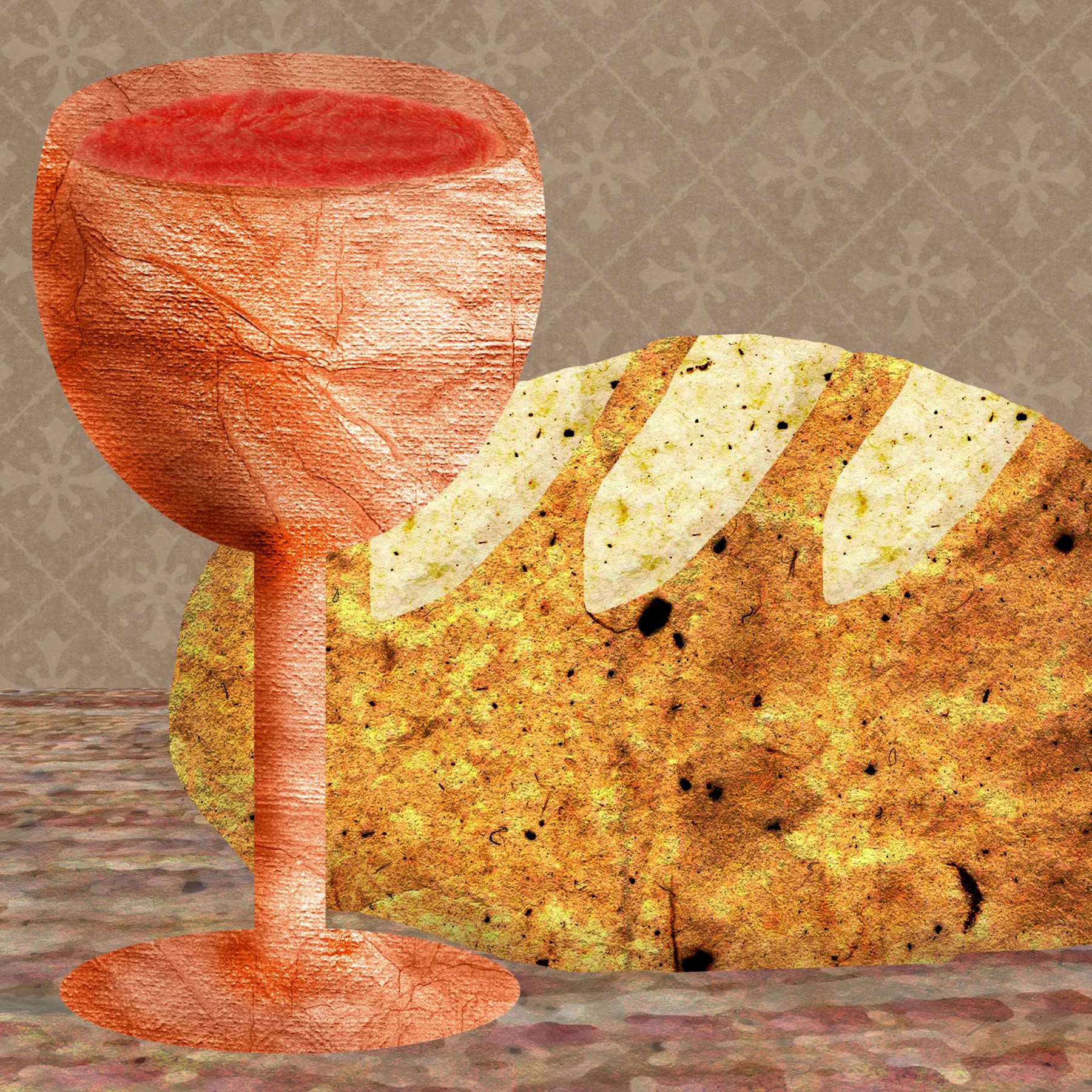
There will be a table,
a towel,
bread broken
and wine shared.
There will be a garden
where sweat becomes blood.
There will be betrayal.
Arrest.
Trial.
Cross.
Tomb.
Because Love—
that kind of love—
doesn’t stop when it’s hard.
It keeps going.
It goes all the way.
So walk the road this week.
Let yourself be surprised.
Let the silence speak,
the shadows stretch,
the cross ask its hard questions.
Because even today
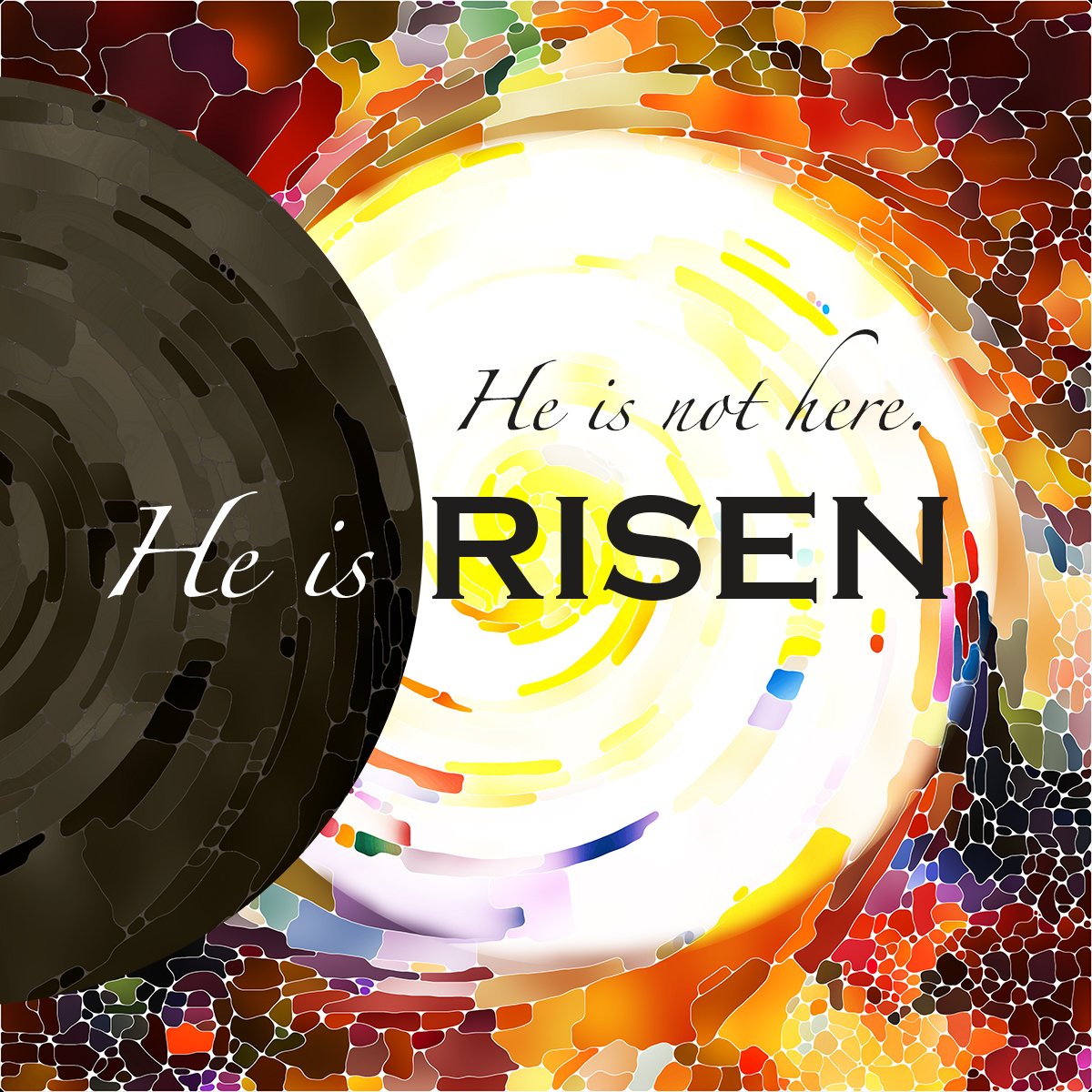
the stone is already thinking
about rolling.
The light is already stretching
toward Easter morning.
And the revolution of love?
It isn’t over.
It’s only just begun.

 With that in mind…
 Love God | Understand Yourself | Serve Others